Just How Hplc Is Used To Examine Peptide Purity

Peptide Lab Test Outcomes All peptides marketed by Apex Laboratory are desired exclusively for in-vitro research laboratory study use and are except human usage. Peptide screening documents need to be interpreted as batch-level analytical evidence for research study product, not as clinical-use permission. Peak's Exactly how to Check out a Peptide COA guide goes through this procedure step by step. The companion web page on why 99 percent purity matters explains why tiny impurity percents can still matter in PT-141 delicate in-vitro assays. It transforms an unlabeled white powder into a medically proven reagent. A modern HPLC system includes several incorporated elements, each serving a certain feature in the splitting up and discovery process. Separates and gauges each component to confirm remarkable pureness.
Is 95% purity helpful for peptides?
Peptides with an 85% pureness degree or greater are generally used in enzyme assays or biological activity researches. Peptides with pureness greater than 95% are outstanding for quantitative analysis.
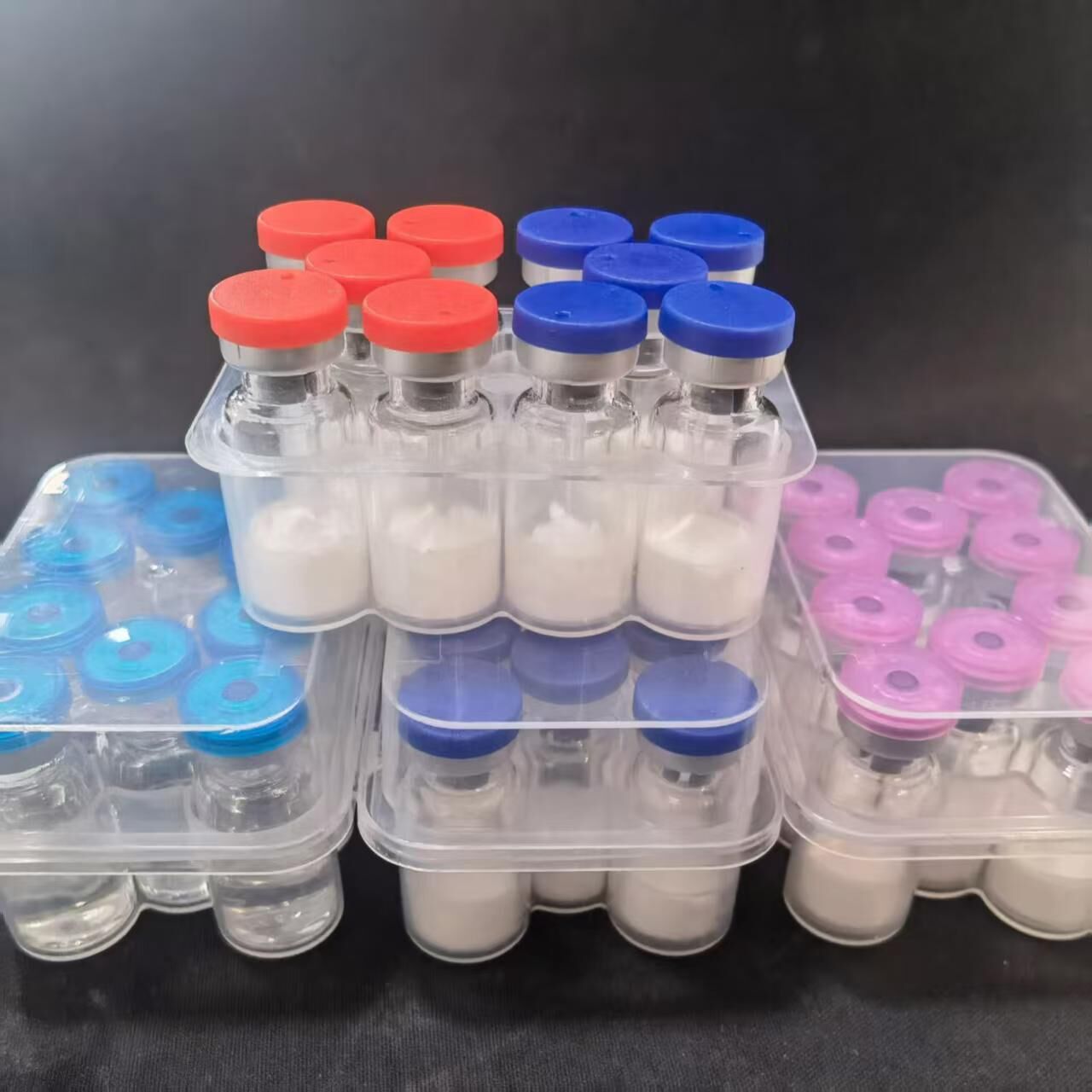
Exactly How To Send Samples For Testing
Expertise of purity degrees will certainly additionally assist you if you ever need a greater pureness peptide for an especially delicate assay. In the long run, getting the pureness degree right implies a lot more reputable science-- which's the utmost goal for any kind of researcher. BOC Sciences, with its robust logical system and professional team, focuses on high quality testing solutions for peptide basic materials, peptide microspheres, peptide nanoparticles, and peptide formulation preparations. Peptide purity describes the percentage of your example that is the proper, full-length peptide sequence, devoid of various other peptide-related impurities.- BOC Sciences, with its robust analytical platform and professional group, concentrates on high quality screening services for peptide resources, peptide microspheres, peptide nanoparticles, and peptide solution preparations.
- This is since HPLC only records peptide relevant content, and therefore the 1% recurring is made up only of peptide-related impurities.
- A pureness portion without a chromatogram is clinically not enough.
- Shows that most of the examined example contains the intended peptide substance.
- Some third celebration labs provide the results of the assay as a binary pass/fail.